The Power of
Surinamese Culture
in the Netherlands
SGG is het digitale hart van de Surinaamse gemeenschap, één platform waar erfgoed, cultuur, educatie, ondernemerschap en diaspora‑verbinding samenkomen. Het is een plek waar mensen hun roots kunnen ontdekken, hun verhalen kunnen delen en samen kunnen bouwen aan een sterke toekomst. Stichting Suriname Global Group werkt aan erkenning, herstel en doorwerking van het trans‑Atlantisch slavernijverleden, en doet dat op een manier die tastbaar en toegankelijk is: via digitale databanken, educatieve programma’s, community‑projecten en ondersteuning voor Surinaamse ondernemers.
Discover what we offer
Our mission: keep Surinamese heritage, culture and stories alive — and accessible for everyone. Choose where you want to start.
Roots & ancestors
Search 6.687+ surnames from the Surinamese slavery registry.
ExplorePlantation directory
Browse all 216 historical plantations on map and by name.
ExploreSurinamese heroes
Biographies of leaders, artists and activists who shaped Suriname.
ExploreSurinamese books
Curated literature, poetry and non-fiction from and about Suriname.
ExploreTeaching material
Free lessons for schools about slavery history, Keti Koti and Surinamese culture.
ExploreMedia & stories
Documentaries, podcasts and interviews from the Surinamese diaspora.
ExploreEvents
Festivals, workshops and meetups — including Keti Koti commemorations.
ExploreEntrepreneurs
Surinamese entrepreneurs in our community — discover, connect, support.
ExploreLooking for something else?
Discover where your ancestors lived
Our interactive database contains 216 plantations and 6.687 surnames from Suriname's history of slavery. Search names, view plantations on the map, and learn their stories.
- Interactive map of Suriname with all plantations
- Surname search with phonetic variants
- 40 historic sources & references
- Freely available as open data
Build your own family tree
Found an ancestor, plantation or surname in the archives? Save it to your personal tree with one tap — add notes, relationships and dates, and watch your story take shape on a visual timeline.
- 1 Create a free account or log in.
- 2 Search the Roots database for ancestors.
- 3 Tap “Save” and build your tree.
Help out — share a family name
Do you know a family name or plantation story that's missing? Our database grows thanks to descendants, researchers and volunteers. Share your knowledge — all suggestions are verified by our team.


Latest Articles
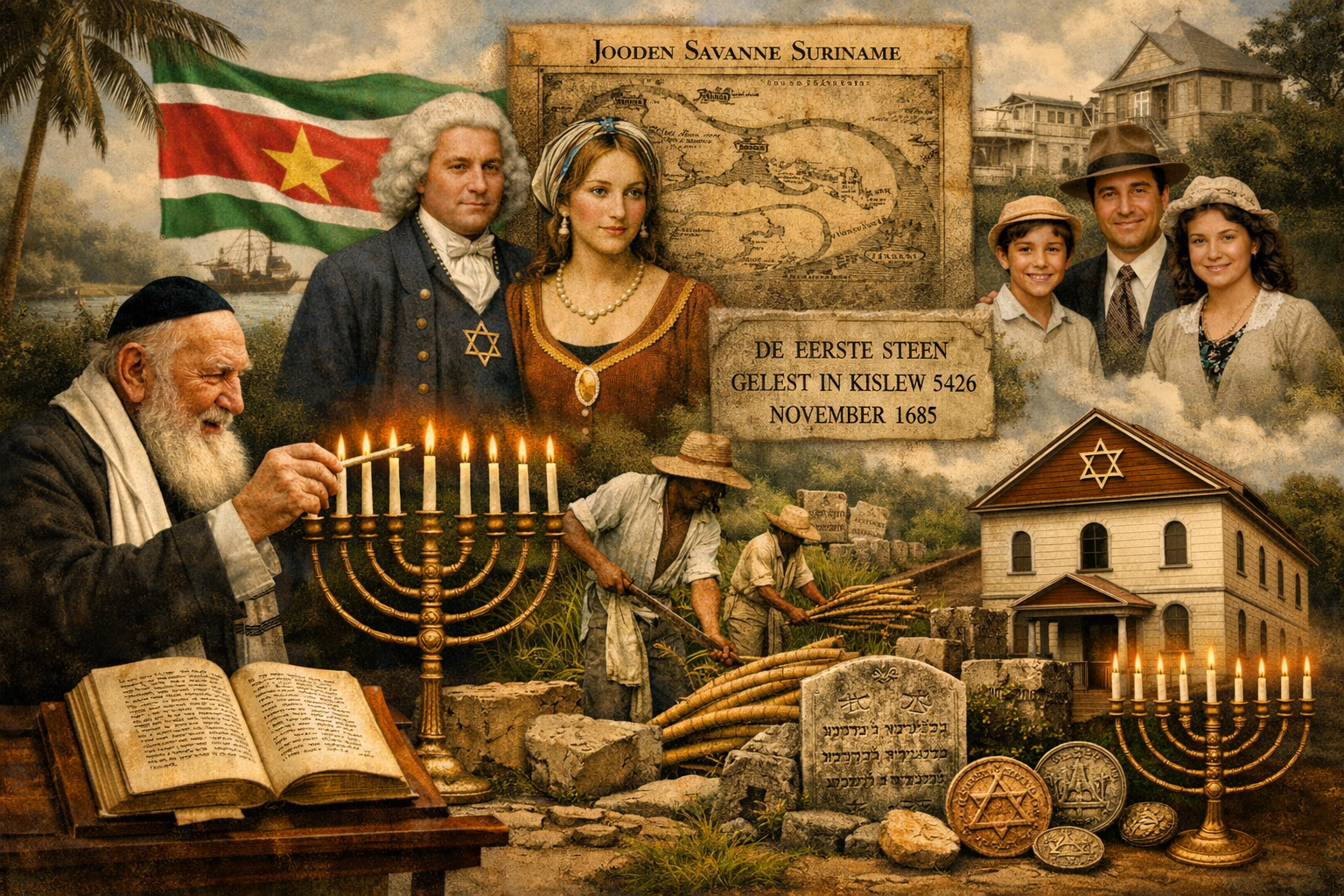
The history of the Jewish community in Suriname
Nearly four centuries of Jewish history in Suriname: from Sephardic refugees and the unique autonomous settlement of Jodensavanne (UNESCO World Heritage since 2023), through plantations, slavery and the Eurafrican Jews, to today's Neve Shalom synagogue standing beside a mosque — a worldwide symbol of Surinamese tolerance.
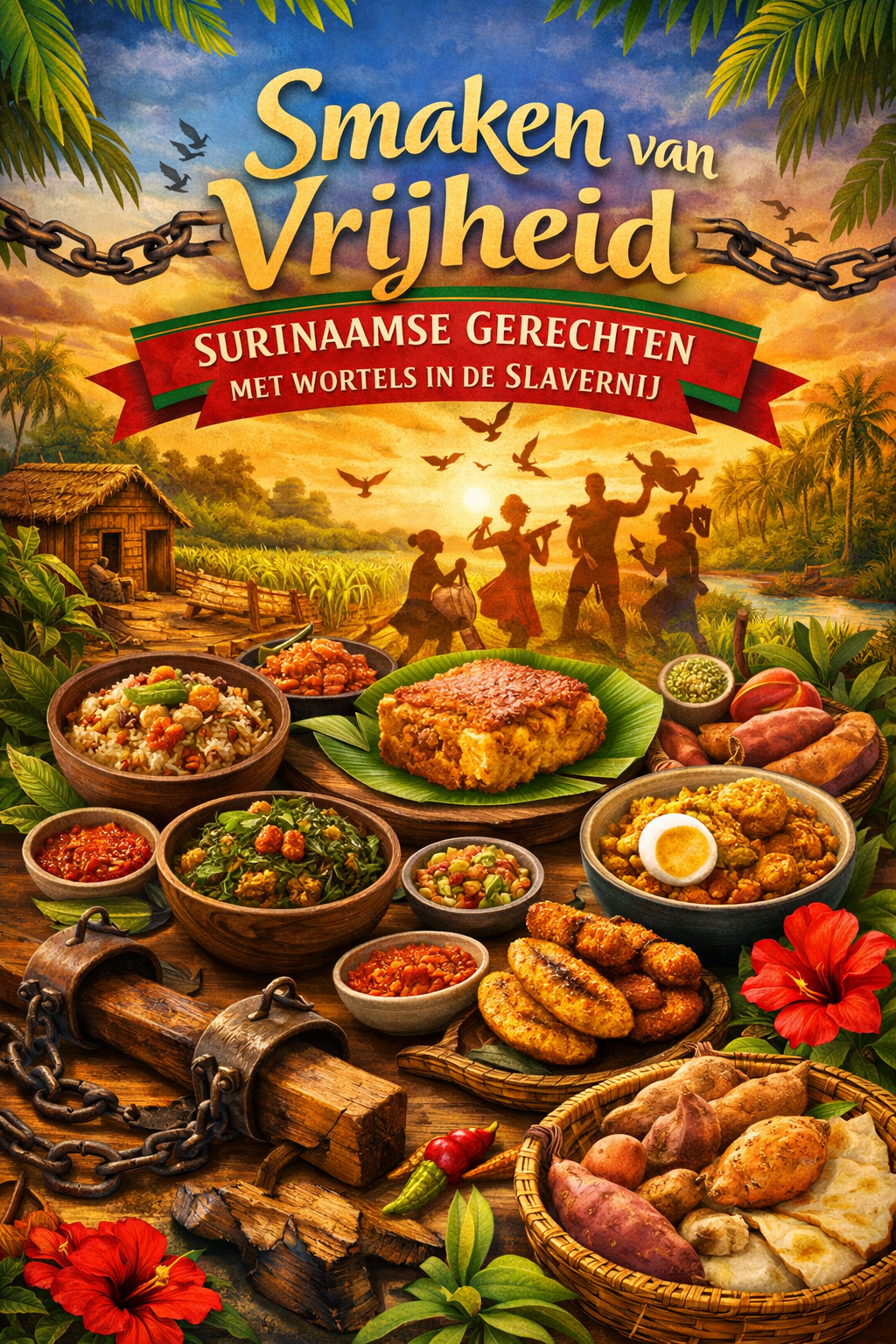
Tastes of Freedom: Surinamese Dishes Rooted in Slavery
Many iconic Surinamese dishes: pom, peanut soup, pepre-watra, heri-heri, okra soup: were born under the harshest conditions of plantation slavery. Enslaved Africans turned scraps and small kitchen gardens into food now celebrated, especially during Keti Koti.
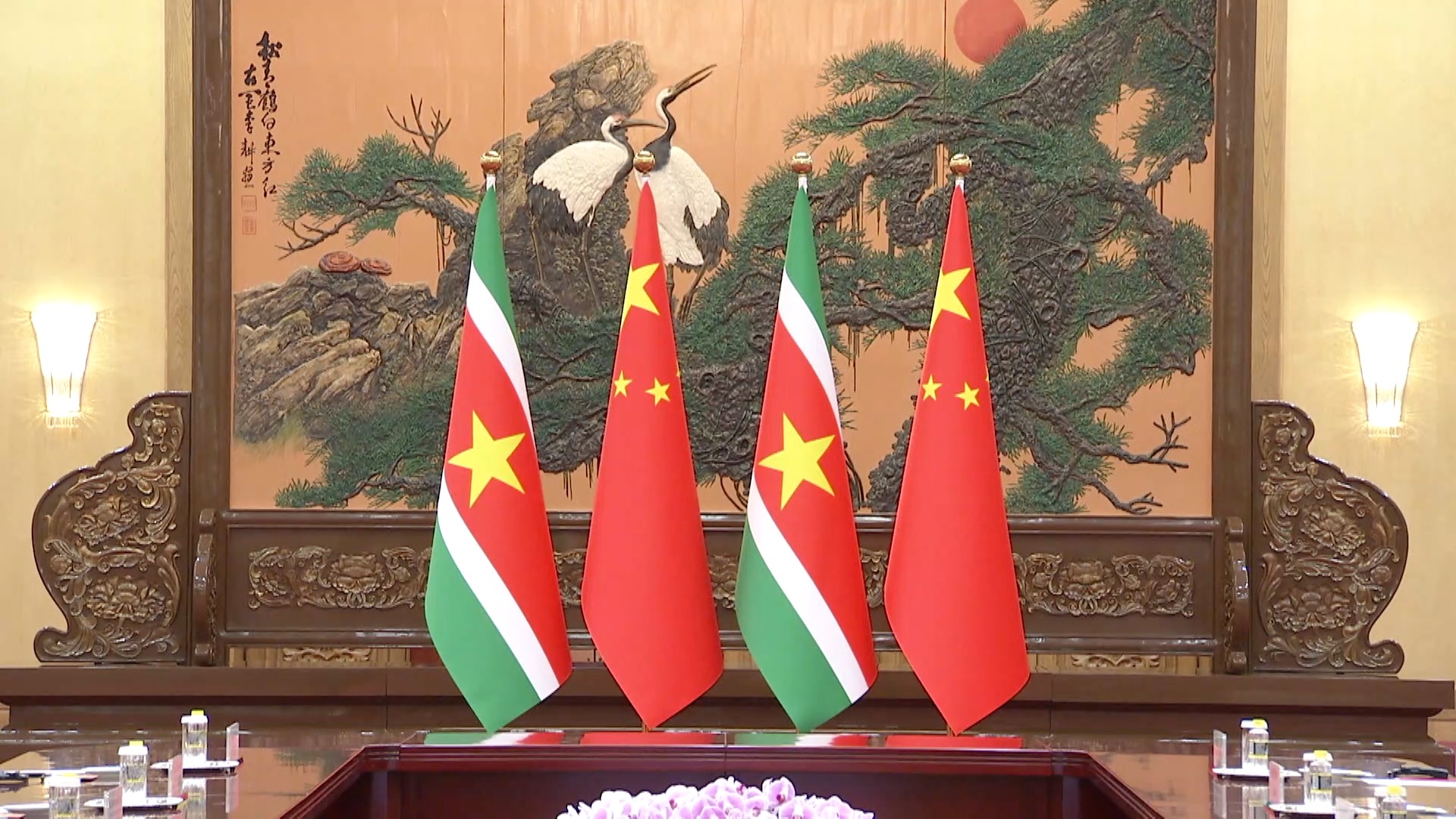
From Contract Worker to Shopkeeper: 170 Years of Chinese Entrepreneurship in Suriname
Since the first contract workers arrived in Paramaribo in 1853, Chinese Surinamese have shaped the streetscape from the corner shop to import-export. A story of hard work, family networks, two migration waves and a community that has profoundly shaped the Surinamese economy.
What visitors and descendants say
“I finally found my great-grandfather's plantation. Wonderful work.”
“The open data is an enormous resource for my Surinamese family-history research.”
“The Keti Koti commemoration was impressive, educational and unifying. See you next year.”